
start your cold plunge experience
Dive in. Reboot your body, refresh your mind.

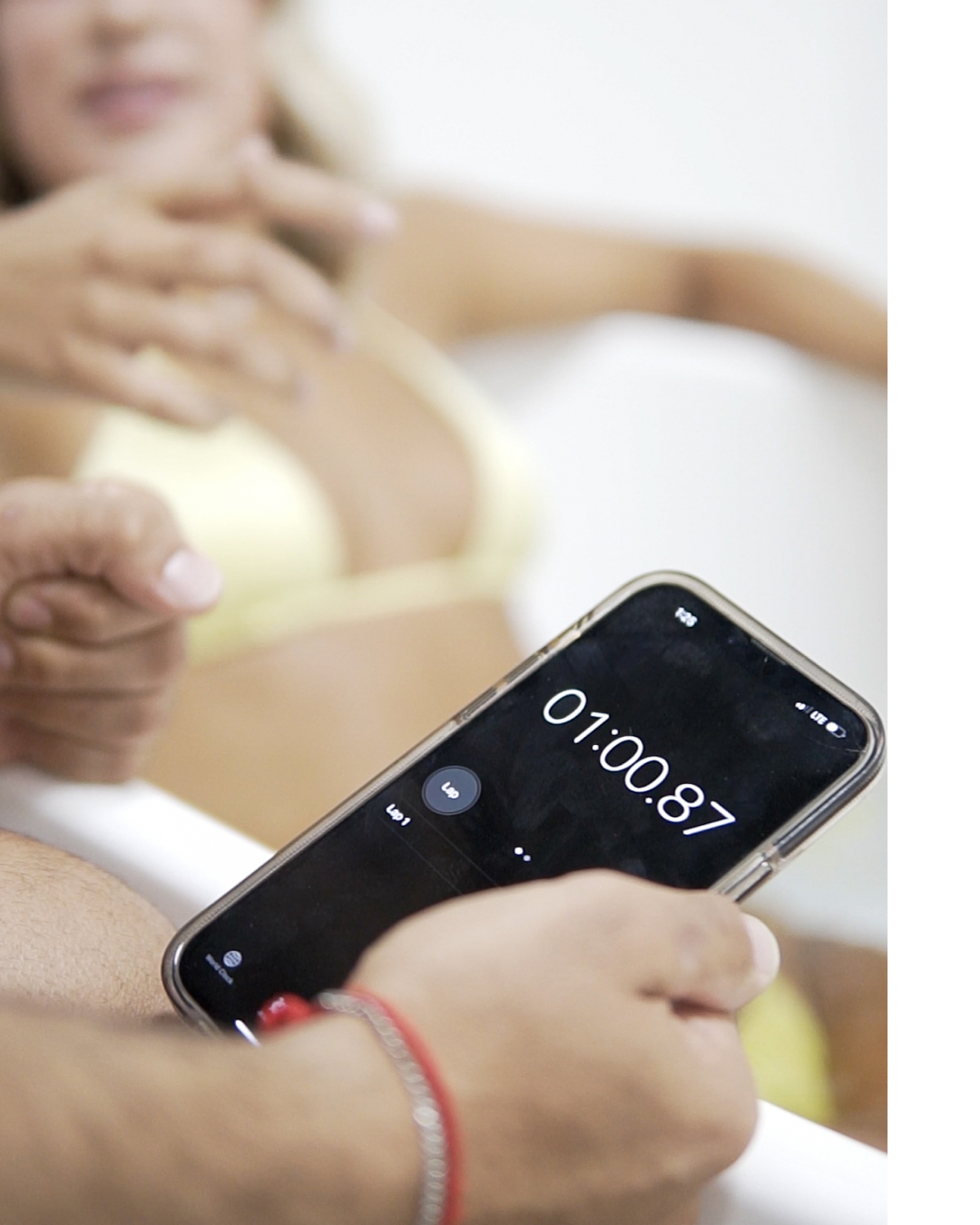
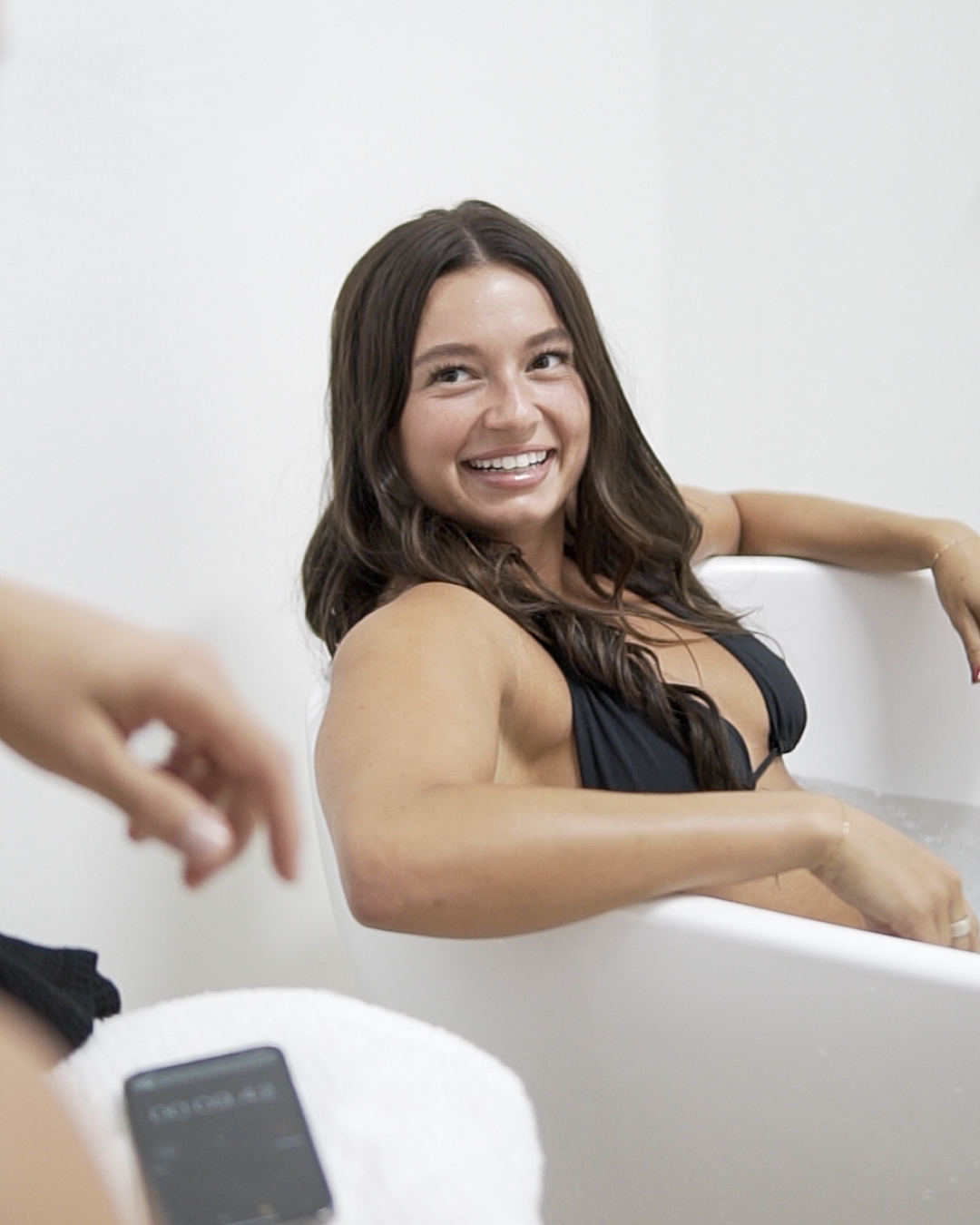
Take the plunge and wake up your system. Our Cold Plunge Therapy uses sub-50°F water to reduce inflammation, accelerate muscle recovery, and ignite mental clarity. A favorite among athletes and wellness lovers alike — it’s the ultimate refresh for body and mind.
Improves circulation & mood
Boosts immunity + metabolism
Enhances focus + endorphins
During: Start slow, focus on controlled breathing.
After: Towel off + stretch

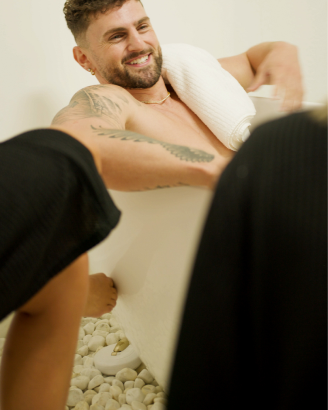
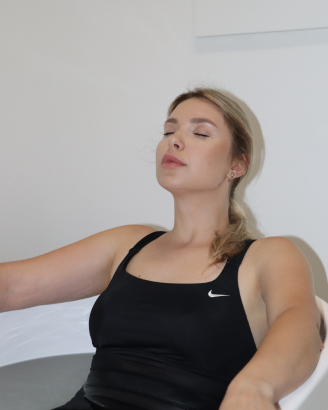
Cold plunge in Tarzana: what to expect
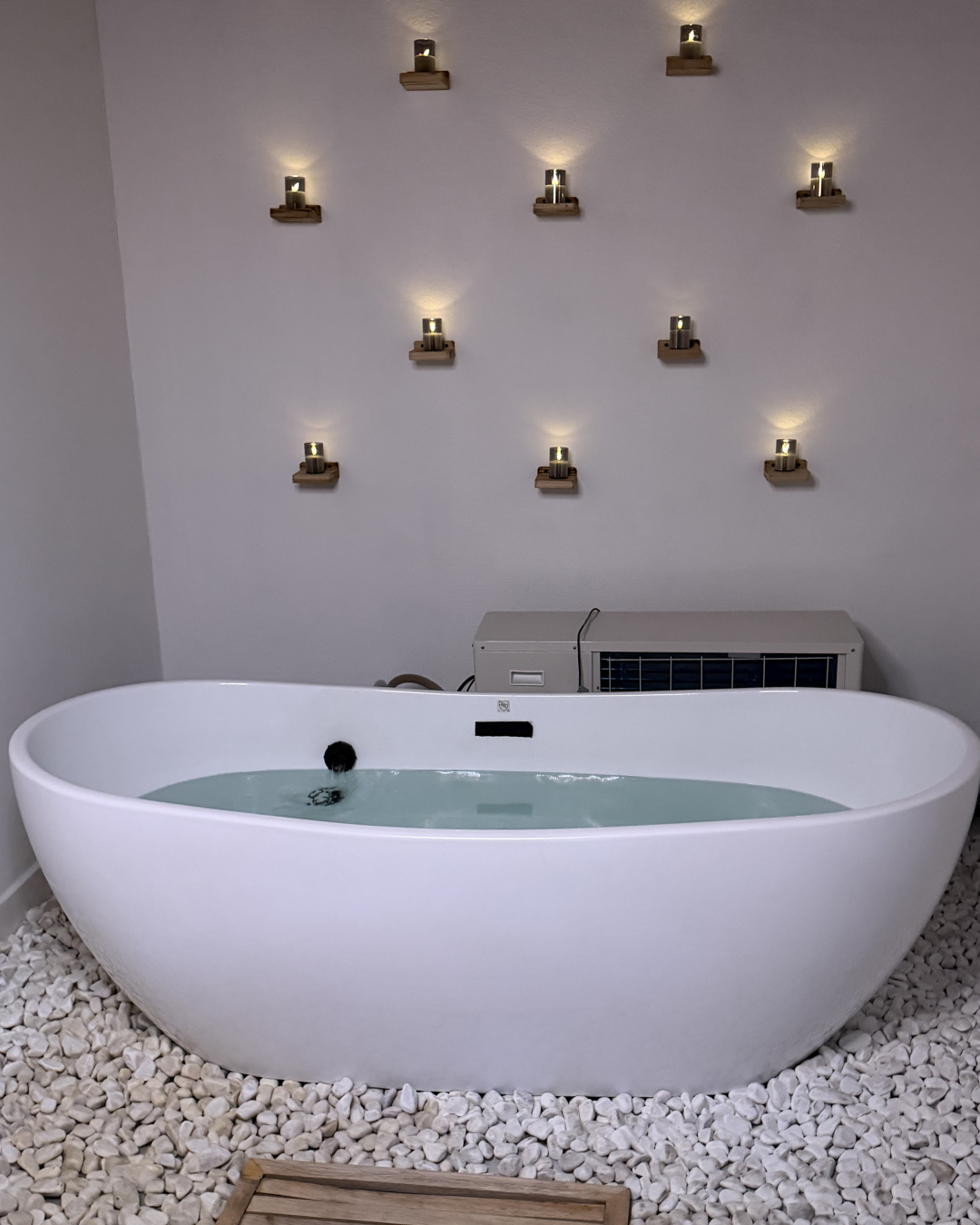
Our cold plunge sits in a private room at Club Contour Studios on Ventura Blvd in Tarzana, so you have it to yourself for your session. The water is held at 48–55°F by a chiller, which keeps every visit consistent instead of depending on bags of ice. Most guests come from Tarzana, Encino, Woodland Hills and Sherman Oaks, either after a workout or as a reset in the middle of a long week.
Your first session: start short
Step in slowly, keep your breathing long and steady, and aim for one to three minutes on your first visit. The first 30 seconds are the hardest: cold water triggers a fast, gasping breath and a jump in heart rate, known as the cold shock response, which settles as you breathe through it. Get out whenever you need to. There is no prize for staying longer, and most people find it easier over a few visits.
What the research actually says
The best-studied use of cold water immersion is recovery after hard exercise. A 2016 meta-analysis in Sports Medicine (Machado and colleagues) found cold water immersion was slightly better than passive rest for reducing muscle soreness, with the best results in studies that used water around 52–59°F for 10 to 15 minutes. Those studies were mostly in athletes and the effect was modest. A 2017 review in Experimental Physiology (Tipton and colleagues) notes that the evidence for many other popular claims is mixed, and in some cases still anecdotal. Go in with realistic expectations: many people simply feel more alert and less sore afterwards.
Contrast therapy: infrared sauna and cold plunge
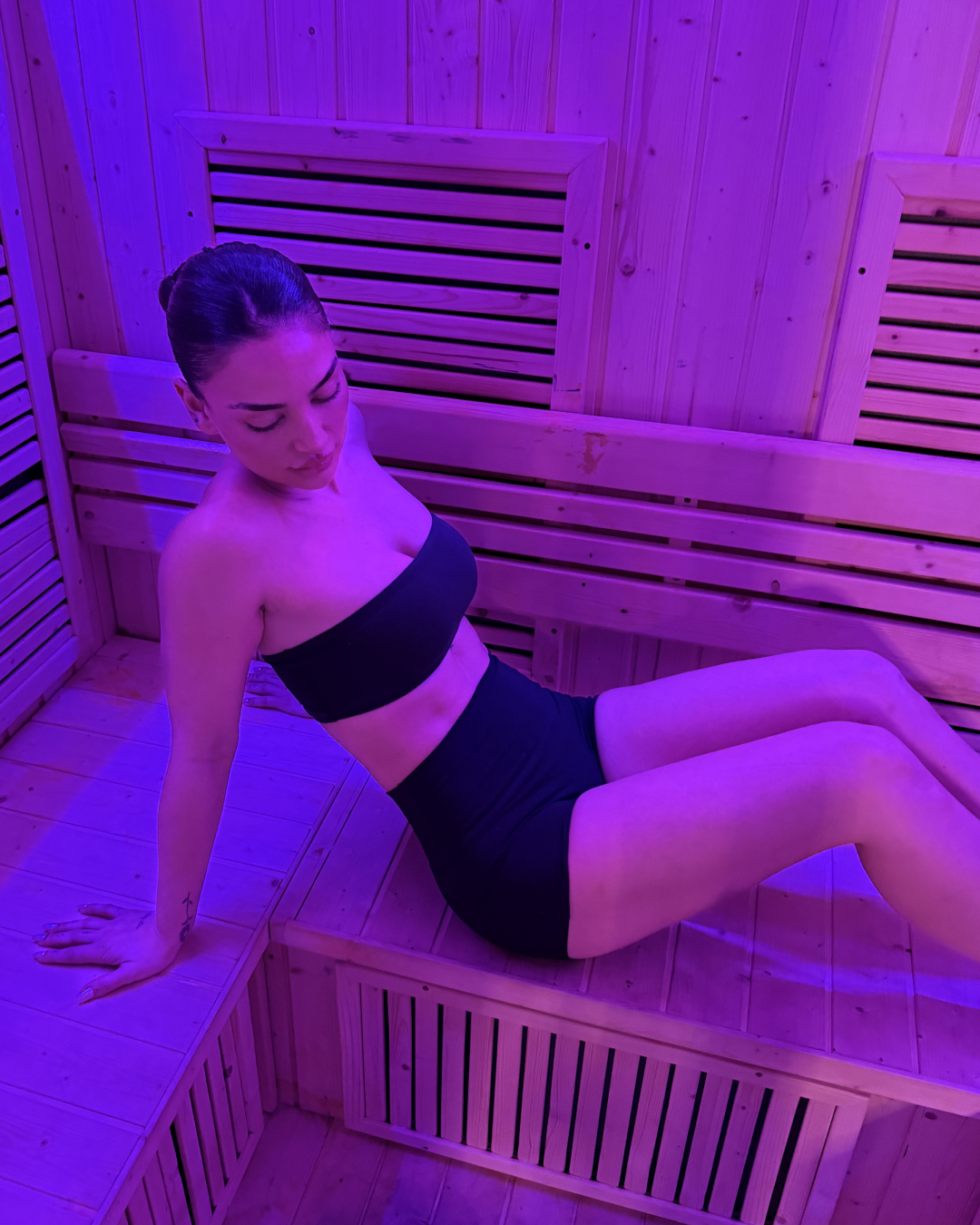
Many guests alternate between our infrared sauna and the cold plunge, known as contrast therapy. A 2013 systematic review in PLoS One (Bieuzen and colleagues) found contrast water therapy reduced soreness and strength loss after exercise compared with passive rest, although the studies were small. A simple routine: 15–20 minutes in the sauna, one to three minutes in the plunge, a few minutes of rest, then repeat two or three times.
Check with your doctor first if this applies to you
Cold immersion is a real stress on the body. Talk to your doctor before plunging if you have a heart condition, high blood pressure, a history of irregular heartbeat or stroke, Raynaud's phenomenon or another sensitivity to cold, or if you are pregnant. The National Institutes of Health lists cold exposure as the most common trigger of Raynaud's attacks. Don't plunge after drinking alcohol, and get out right away if you feel dizzy, numb or short of breath.
Sources: Machado AF et al., Sports Medicine, 2016; Tipton MJ et al., Experimental Physiology, 2017; Bieuzen F et al., PLoS One, 2013; NIH National Institute of Arthritis and Musculoskeletal and Skin Diseases, Raynaud's Phenomenon.
frequently asked questions
What is cold plunge therapy?
Cold plunge therapy means immersing your body in chilled water for a short time, usually a few minutes. People use it to recover after exercise and to feel more alert. The research on cold water immersion mostly supports a modest reduction in muscle soreness after hard exercise.
What are the benefits?
The best evidence is for modestly reducing muscle soreness after hard exercise. Many people also say they feel more alert and energized afterwards. Claims beyond that, such as boosting immunity, are not well established, so we don't promise them.
How often should I do it?
Cold plunges can be done several times per week — 3–5 sessions is ideal for sustained energy, faster recovery, and improved circulation.
Should I do a cold plunge before or after a workout?
Most people get the most benefit from cold plunging after a workout, when it can help ease muscle soreness and speed up recovery. Plunging before exercise is less common, since the cold can temporarily reduce muscle power for high-intensity movement.
Do I need prior experience to try a cold plunge?
No experience is needed. Our team walks first-timers through breathing techniques and easing in gradually, so you can build tolerance at your own pace.
How does it work?
Cold water narrows the blood vessels in your skin and triggers a short stress response, with faster breathing and heart rate, that settles after the first minute. As you rewarm, circulation returns to the skin. This response is thought to be behind the drop in post-exercise soreness seen in studies.
What is the session like?
You'll step into 48–55°F water for 1–3 minutes. The first 30 seconds feel intense; slow, steady breathing helps, and most people feel calm and alert once it passes.
Is it safe for everyone?
Cold plunges are safe for most people, but if you have heart conditions, high blood pressure, or sensitivity to temperature changes, check with your doctor before starting. Always listen to your body and ease in gradually.
How is a cold plunge different from an ice bath?
They're essentially the same idea — full-body immersion in cold water to trigger a recovery response — though "ice bath" often implies manually adding ice, while our cold plunge is temperature-controlled for a consistent 48–55°F experience every visit.
Do you offer cold plunge memberships or single sessions in Tarzana?
Both are available. You can book a single cold plunge session or access it as part of a Wellness Lounge membership — check our Pricing page for current options.
refresh with transformative therapies
wellness experience
cold plunge

infrared sauna
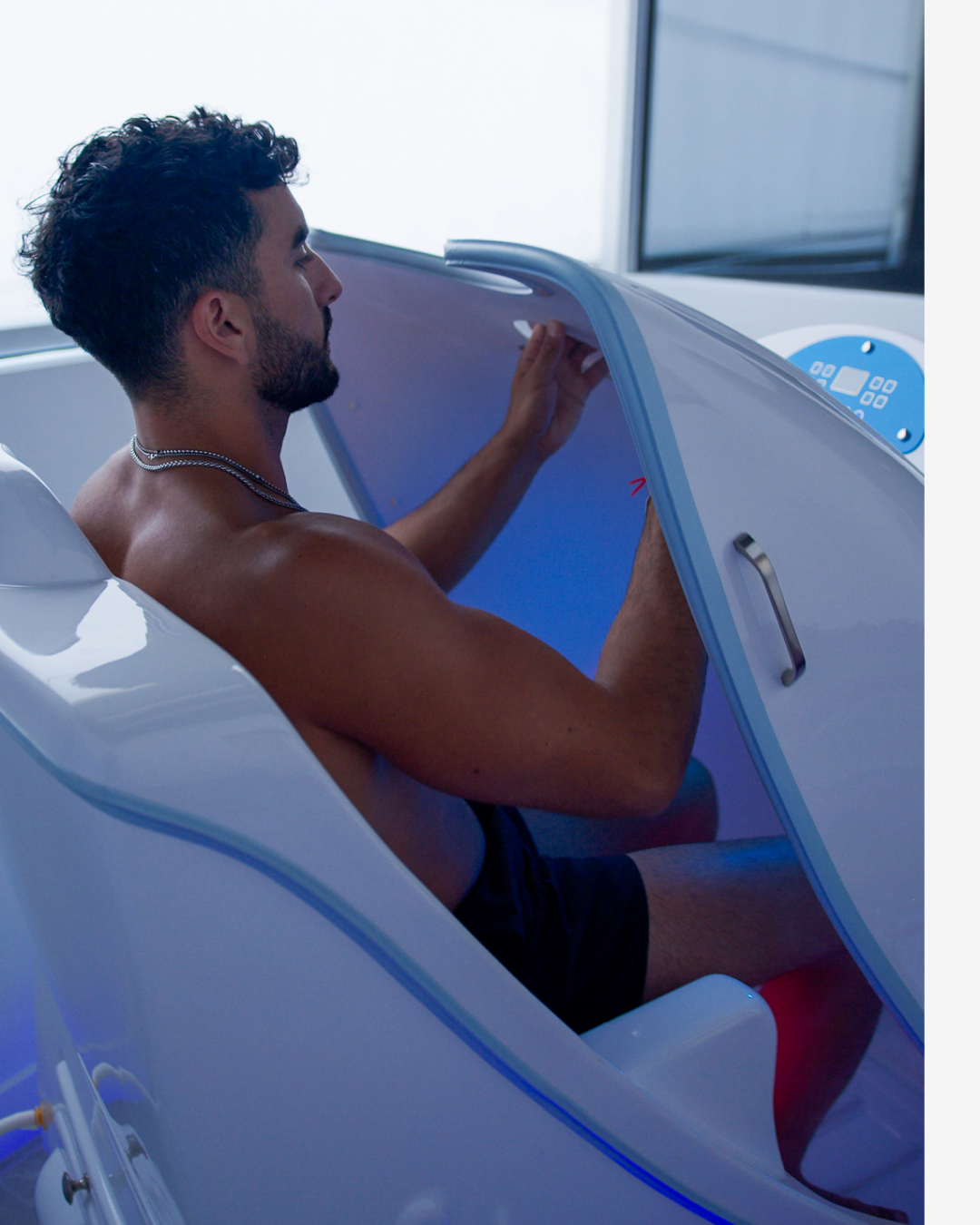
steam pod
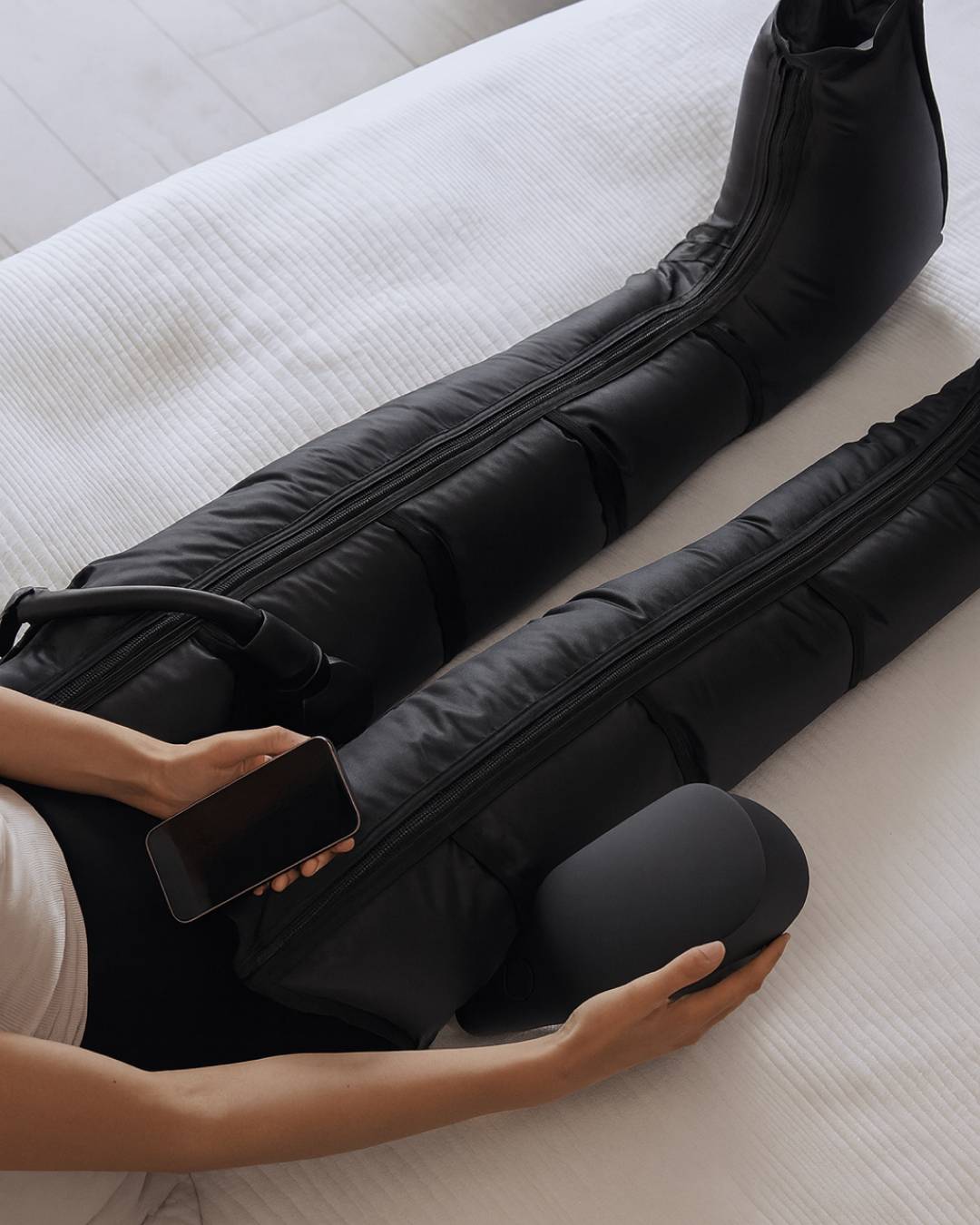
Compression therapy

contrast Therapy
